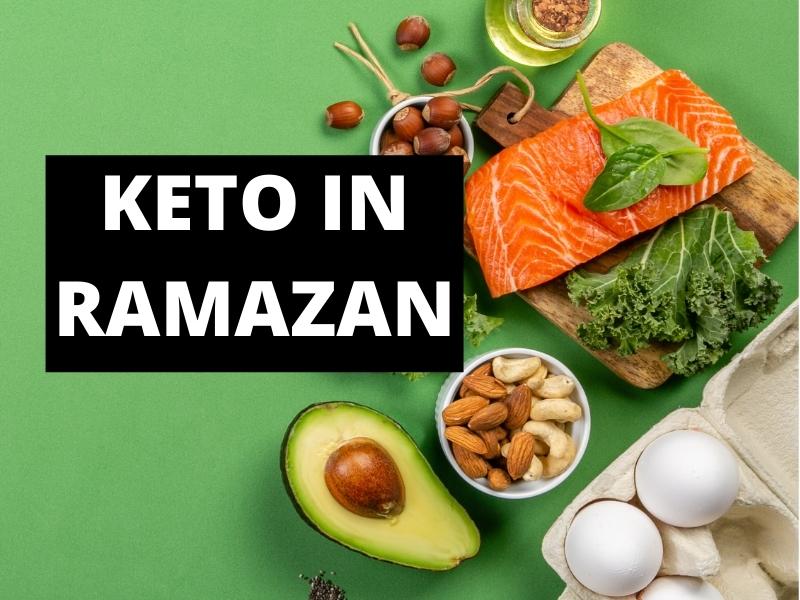

Starting a new diet can be confusing, especially when terms like ketosis are thrown around without much explanation. If you’ve heard about the keto diet but don’t fully understand how ketosis works or why it’s so effective for weight loss and health, you’re not alone. Many beginners feel overwhelmed and unsure if keto is right for them.
Here’s the good news: ketosis is a natural metabolic process, and understanding it can help you take control of your health.
What Is Ketosis?
Ketosis is a metabolic state where your body switches its main fuel source from glucose (sugar) to fat. Normally, your body burns carbohydrates for energy, but when carbs are limited, your liver starts breaking down fat into molecules called ketones. These ketones become your body and brain’s new energy source.
In simple terms, ketosis is your body’s way of adapting to low-carb intake by burning fat for fuel — which is the foundation of the ketogenic diet.
How Does Your Body Enter Ketosis?
Achieving ketosis involves a few key steps:
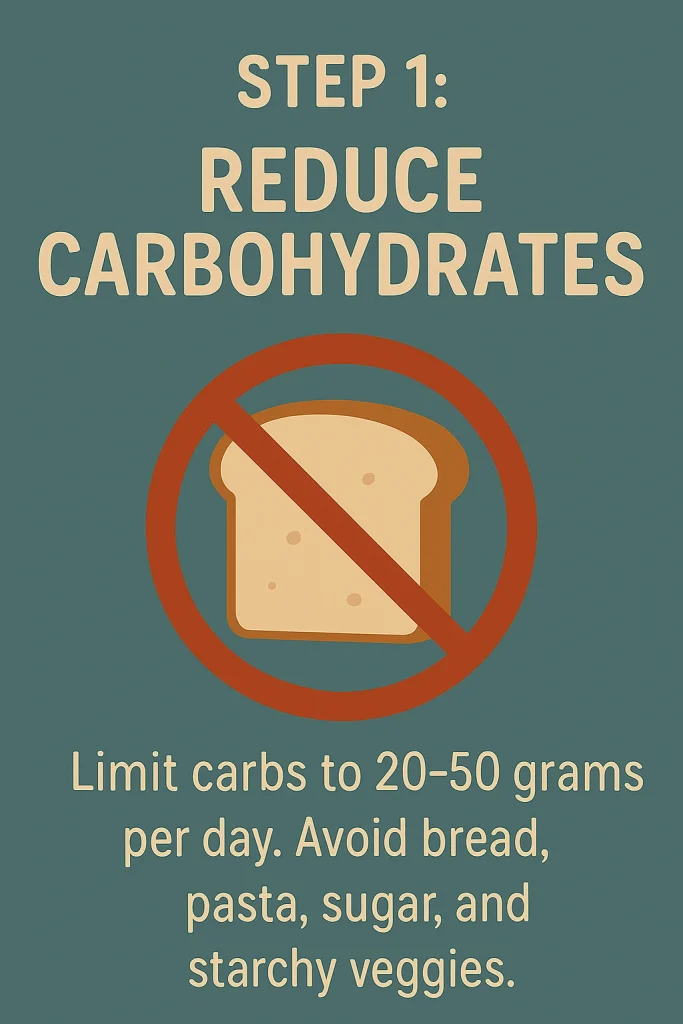
Reducing Carbohydraate Intake
When you drastically cut carbs (usually below 20-50 grams per day), your glucose stores get depleted.
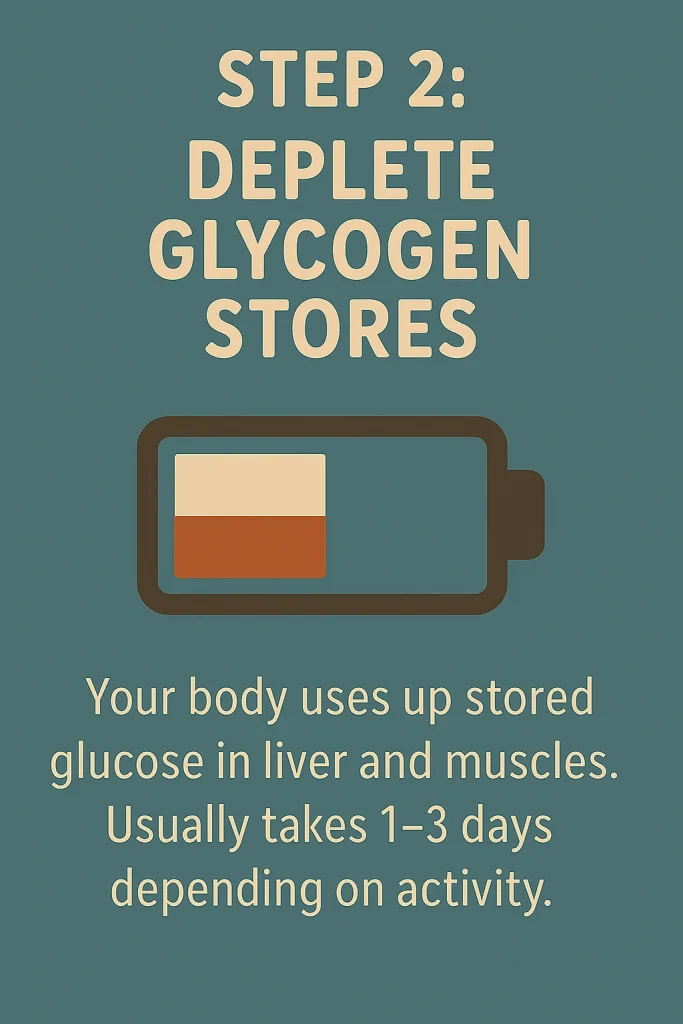
Depleting Glycogen Stores
Glycogen is stored glucose found mainly in your liver and muscles. Once it’s used up, your body needs an alternative fuel.
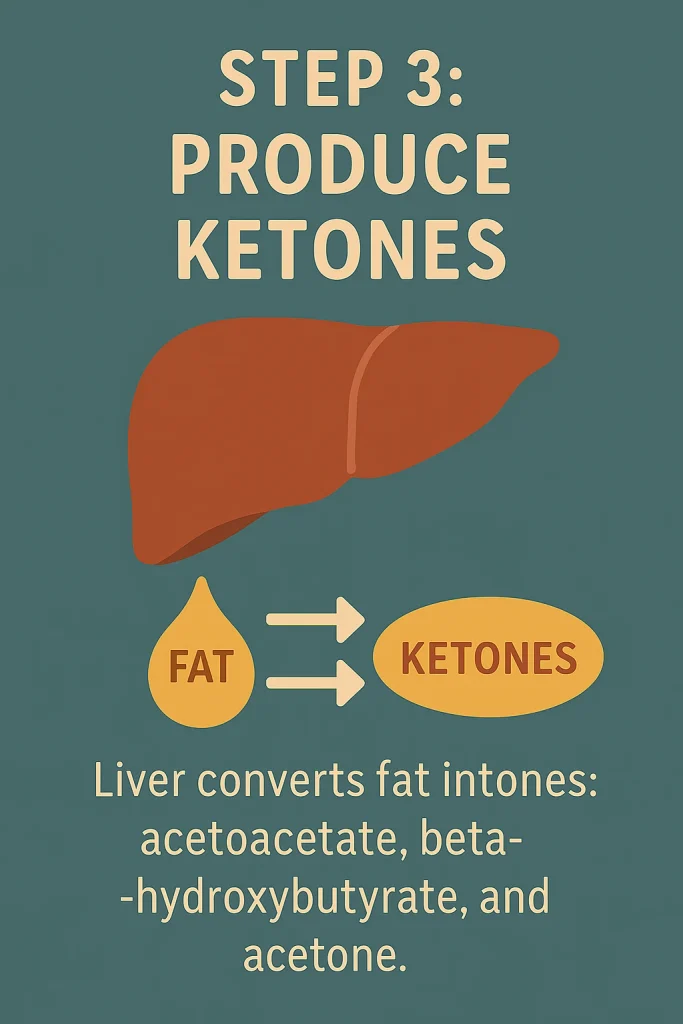
Producing Ketones
Your liver converts fat into ketones — three main types: acetoacetate, beta-hydroxybutyrate, and acetone.
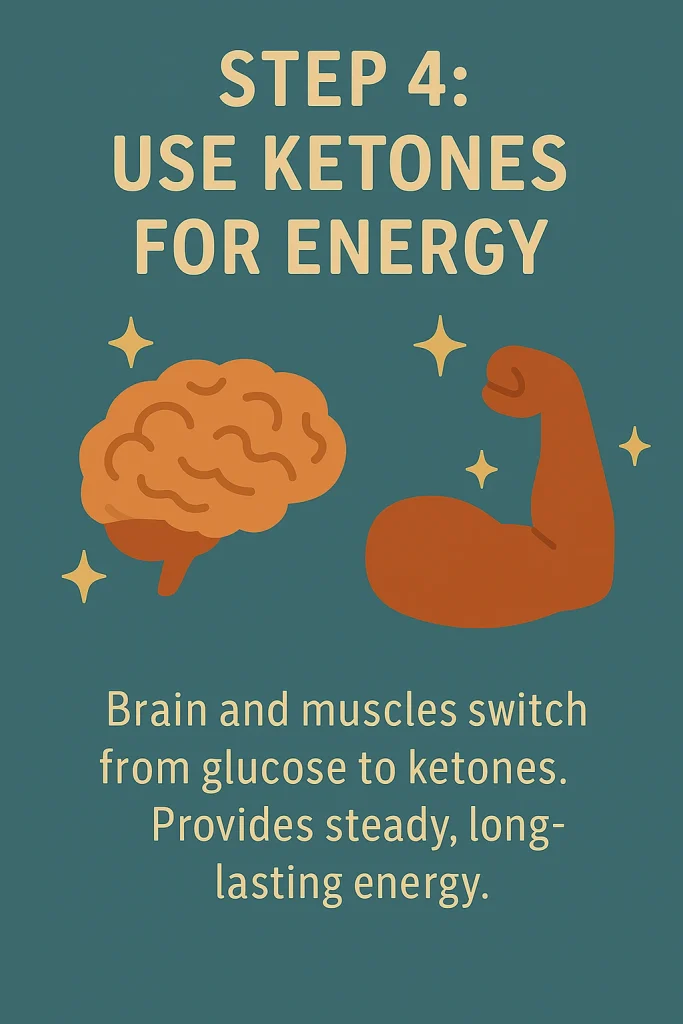
Using Ketones for Energy
Your brain and muscles adapt to using ketones instead of glucose, which provides a steady, efficient energy supply.
Why Is Ketosis Beneficial?
- Fat Burning: Since your body uses fat stores for energy, it can help with weight loss.
- Stable Energy: Ketones provide a consistent energy source, preventing blood sugar crashes.
- Appetite Control: Many people experience reduced hunger and cravings.
- Mental Clarity: Some report improved focus and cognitive function on keto.
- Health Benefits: Emerging research shows benefits for diabetes, epilepsy, and metabolic syndrome.
How Long Does It Take to Get into Ketosis?
Usually, it takes about 2-4 days of strict carb restriction to enter ketosis. However, this can vary based on your metabolism, activity level, and carb intake. You can test ketone levels using urine strips, blood meters, or breath analyzers to see if you’re in ketosis.
Common Mistakes That Prevent Ketosis
- Eating too many hidden carbs (like sauces, dressings, or processed foods).
- Consuming excess protein, which your body can convert to glucose.
- Not being consistent with carb restriction.
- Stress and lack of sleep can also impact ketosis.
FAQs About Ketosis
Q: Can I eat protein on keto?
A: Yes, but moderate amounts. Too much protein can convert to glucose, slowing ketosis.
Q: What foods break ketosis?
A: High-carb foods like bread, rice, pasta, sugary drinks, and some fruits.
Q: Is ketosis safe long-term?
A: For most people, yes. However, consult your doctor if you have kidney or liver issues.
Q: How do I know if I’m in ketosis?
A: Besides testing ketones, signs include increased energy, reduced appetite, and a fruity breath smell.
Final Thoughts: Understanding Ketosis Helps You Succeed
By knowing how ketosis works, you can better tailor your keto diet to fit your lifestyle and goals. It’s not just about cutting carbs — it’s about training your body to efficiently burn fat for fuel.
Ready to dive deeper? Check out our beginner’s guide: What Is the Keto Diet?